Supporting the Dietary Transition of Our Chimpanzees

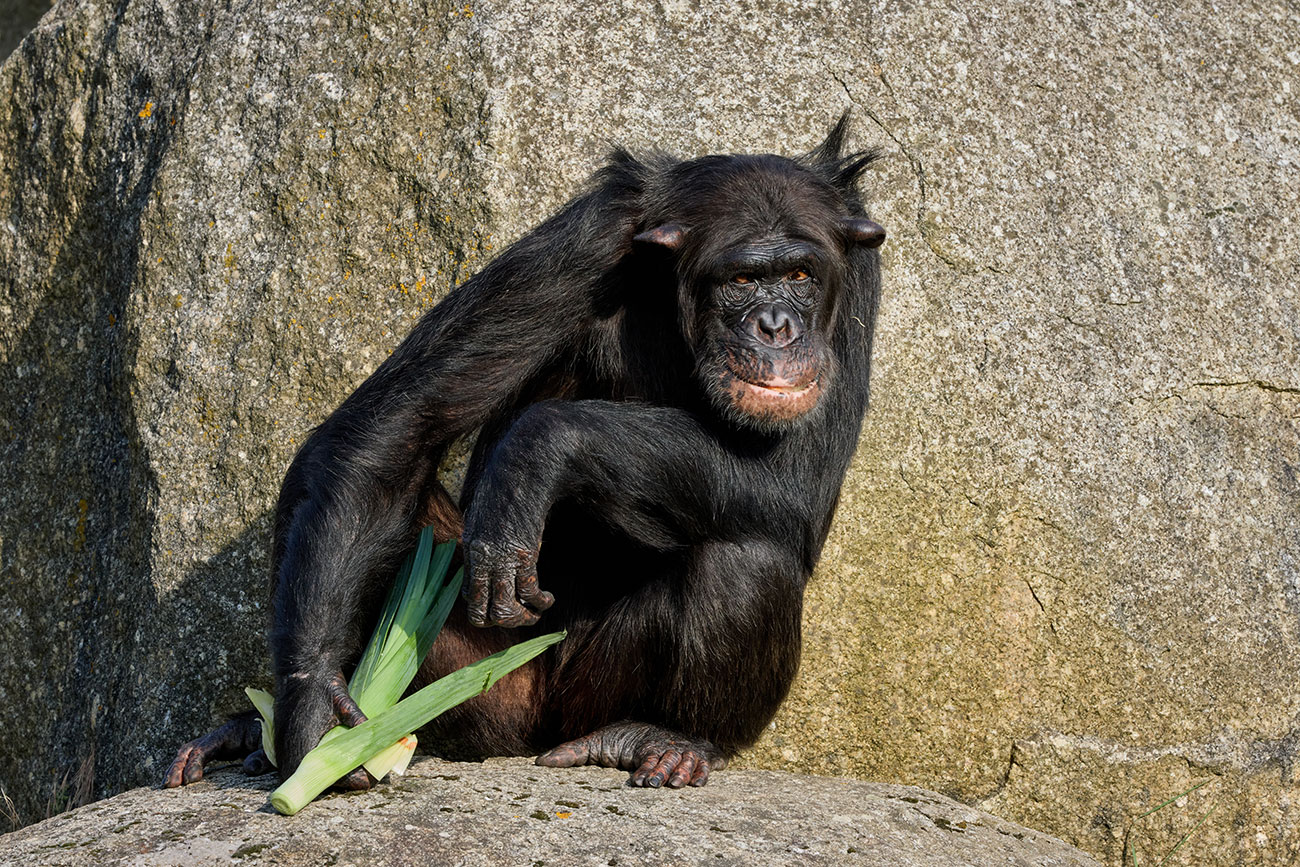
At La Palmyre Zoo, our great apes now benefit from a diet composed primarily of vegetables. The reason? To reduce sugar intake and, above all, increase fiber, in accordance with current nutritional recommendations for these species.
After the orangutans and the gorillas, our two chimpanzee groups have also seen their diet change in recent months. Behind this transition also lies a study conducted in collaboration with the Research in Animal Welfare organisation Akongo, designed to evaluate the effects of this new diet on the behavior, health, and social interactions of our different groups of great ape.
Why did we decide to remove fruit?
Fruits cultivated for human consumption are very different from the wild fruits eaten by primates in their natural environment, which contain more fiber, little or no sugar, and are therefore more akin to vegetables. In the wild, fiber intake is therefore far greater than sugar intake. Furthermore, a diet very high in sugar and insufficient in fiber can have negative consequences on the health and behavior of animals: overweight, diarrhea, diabetes, liver or heart disease, food competition that can increase aggressive behavior, etc...
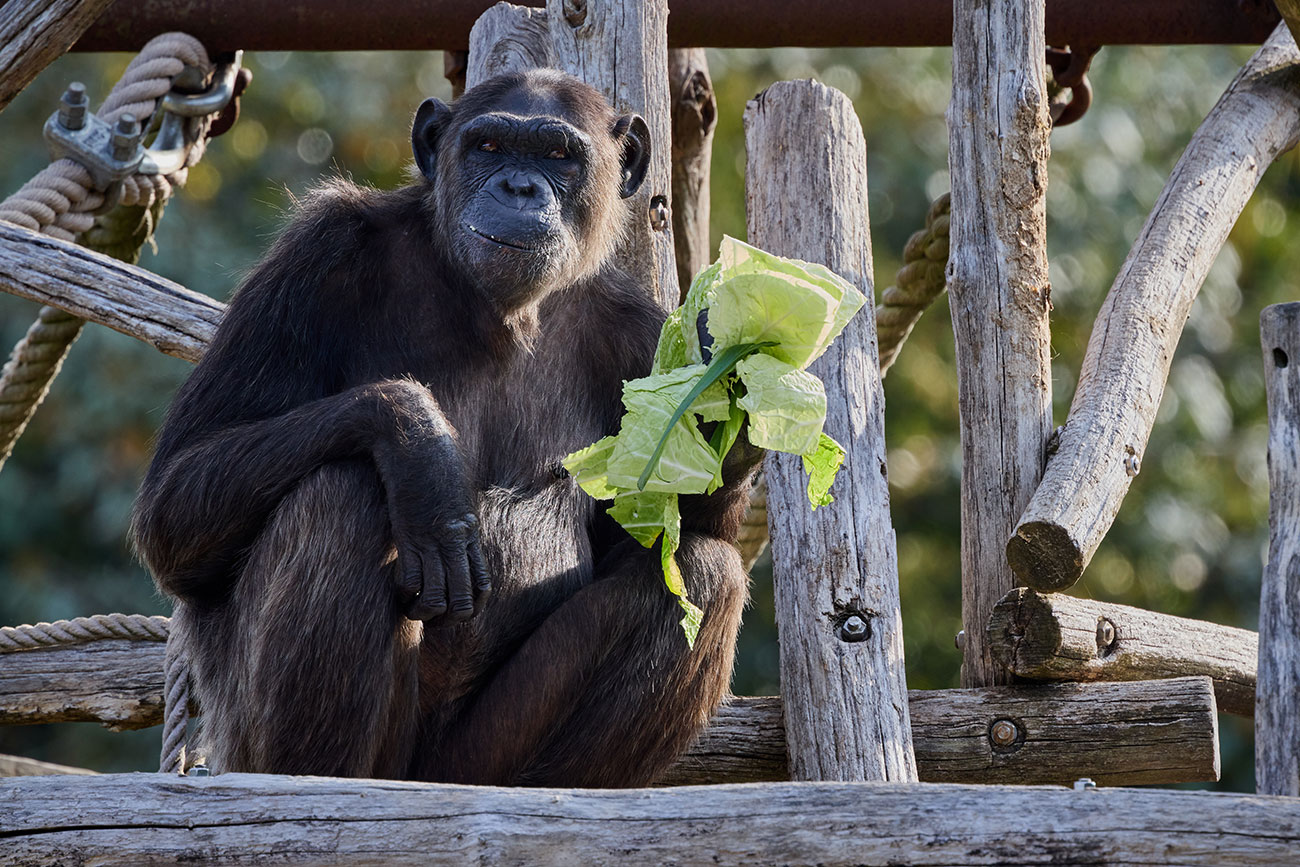
Current scientific recommendations therefore encourage a diet more closely resembling that of wild primates: varied, rich in fiber, and with minimal sugar content. The advantage is not only nutritional: it also improves the overall well-being of the animals.
A smooth transition
The dietary transition took place over four months, with eight two-week phases, each including approximately ten days of observation to assess each stage of the transition. Fruit was gradually removed to allow the chimpanzees time to adapt. Rations were carefully monitored and weighed, thus adhering to the nutritional protocol established by our veterinarians.
The researchers' observations allowed them to calculate the time spent eating, determine food preferences and the amount of food left by the animals, and track the evolution of social interactions (play, grooming, conflicts, etc.). The weight and body condition of the animals were also regularly monitored, as well as the quality of their feces.
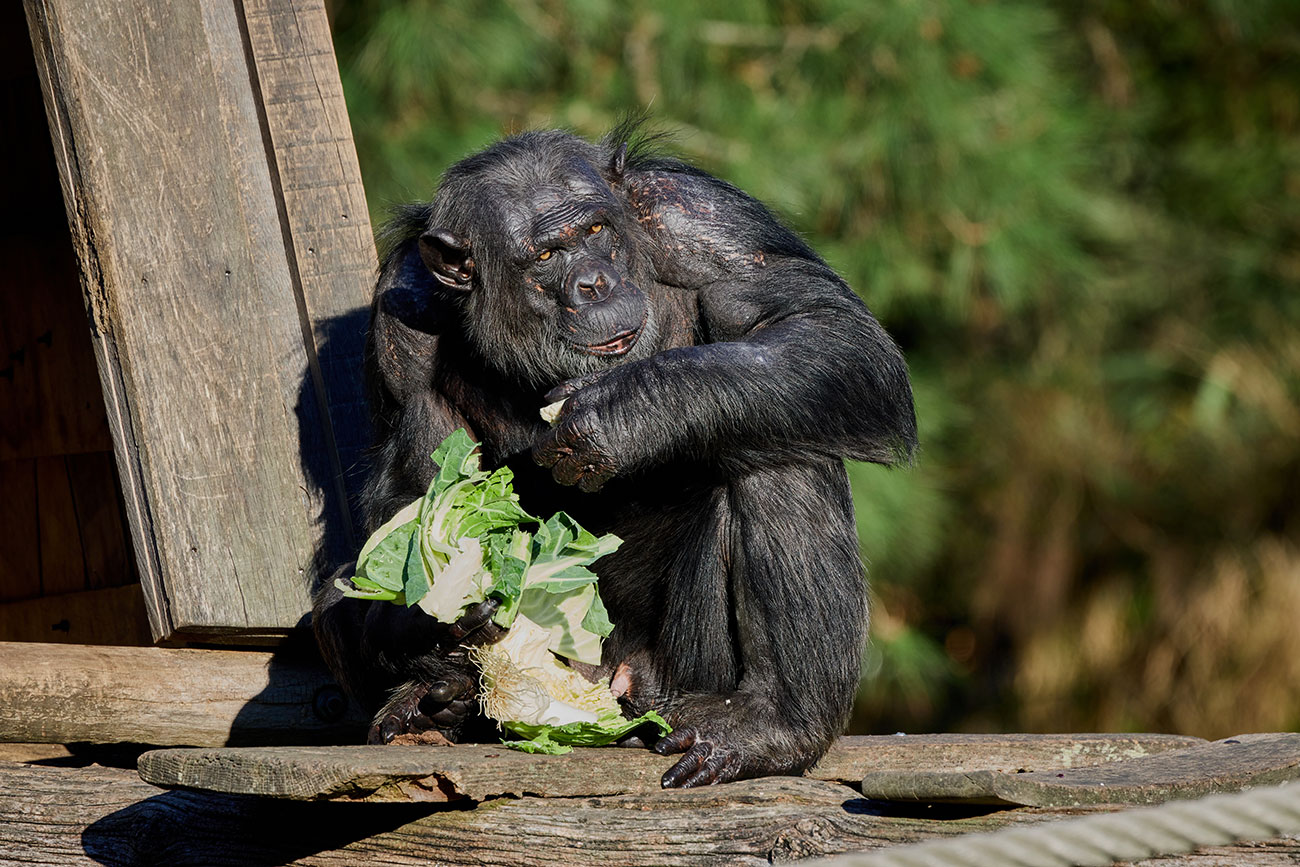
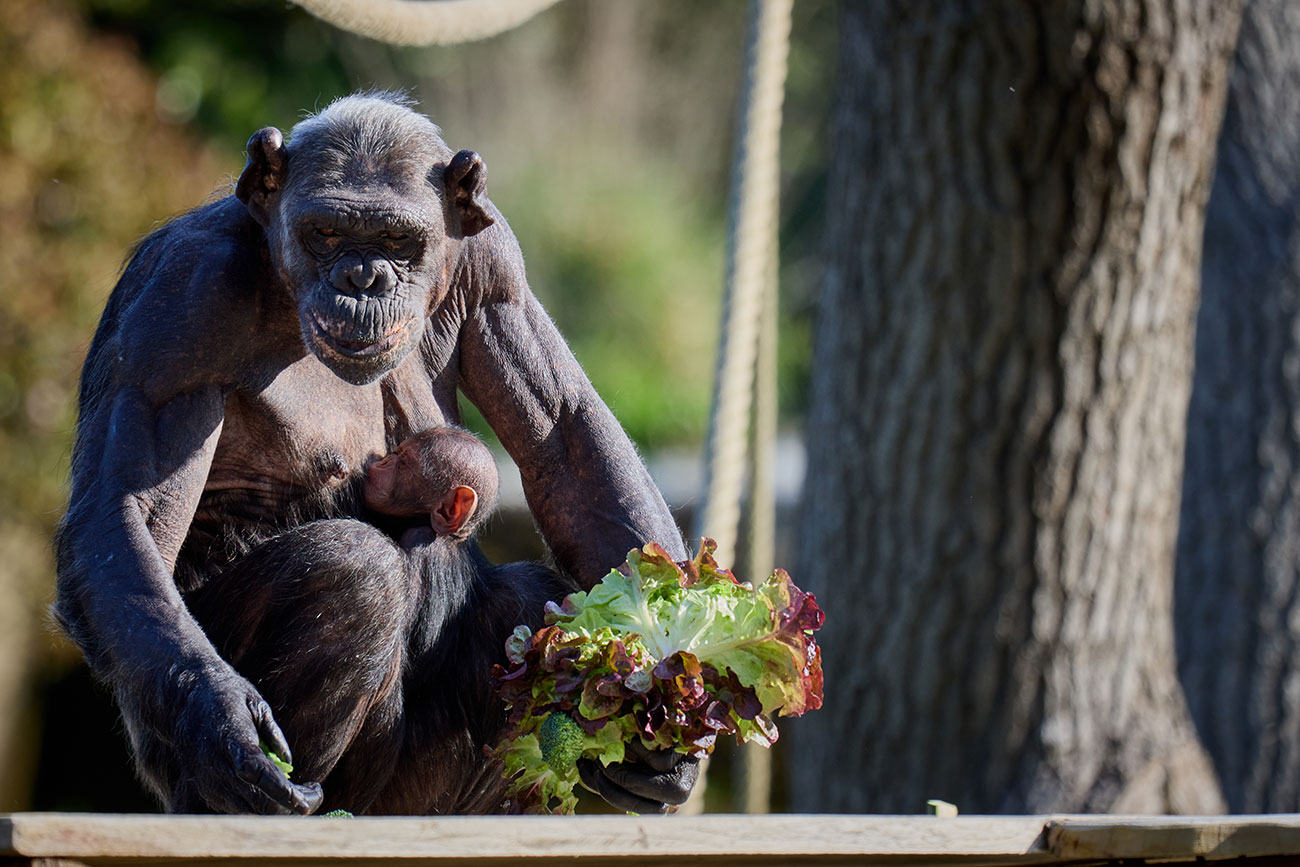
Initial findings indicate a well-tolerated transition for both groups, with a significant increase in feeding time, particularly at the end of the day. However, not all vegetables met with the same success: root vegetables such as carrots and beets were very popular, while leafy greens were less consumed. Legumes, on the other hand, were very popular with one of the two groups and… much less so with the other! As with humans, individual food preferences vary.
Slightly altered social dynamics
In one of the groups, overall social interactions decreased, particularly grooming, a behavior sometimes very common in certain individuals that could lead to hair loss. No weight loss was observed.
The study showed that a gradual reduction and then elimination of fruit in favor of fiber-rich foods is possible without negatively impacting the animals' health or behavior. It also highlights the importance of rigorous and multidimensional monitoring: diet, health, social interactions, and behavior must be studied together to objectively assess animal welfare. Beyond the data collected, this transition underscores a crucial point: adapting the diet of zoo animals to current scientific knowledge is an integral part of improving their quality of life.
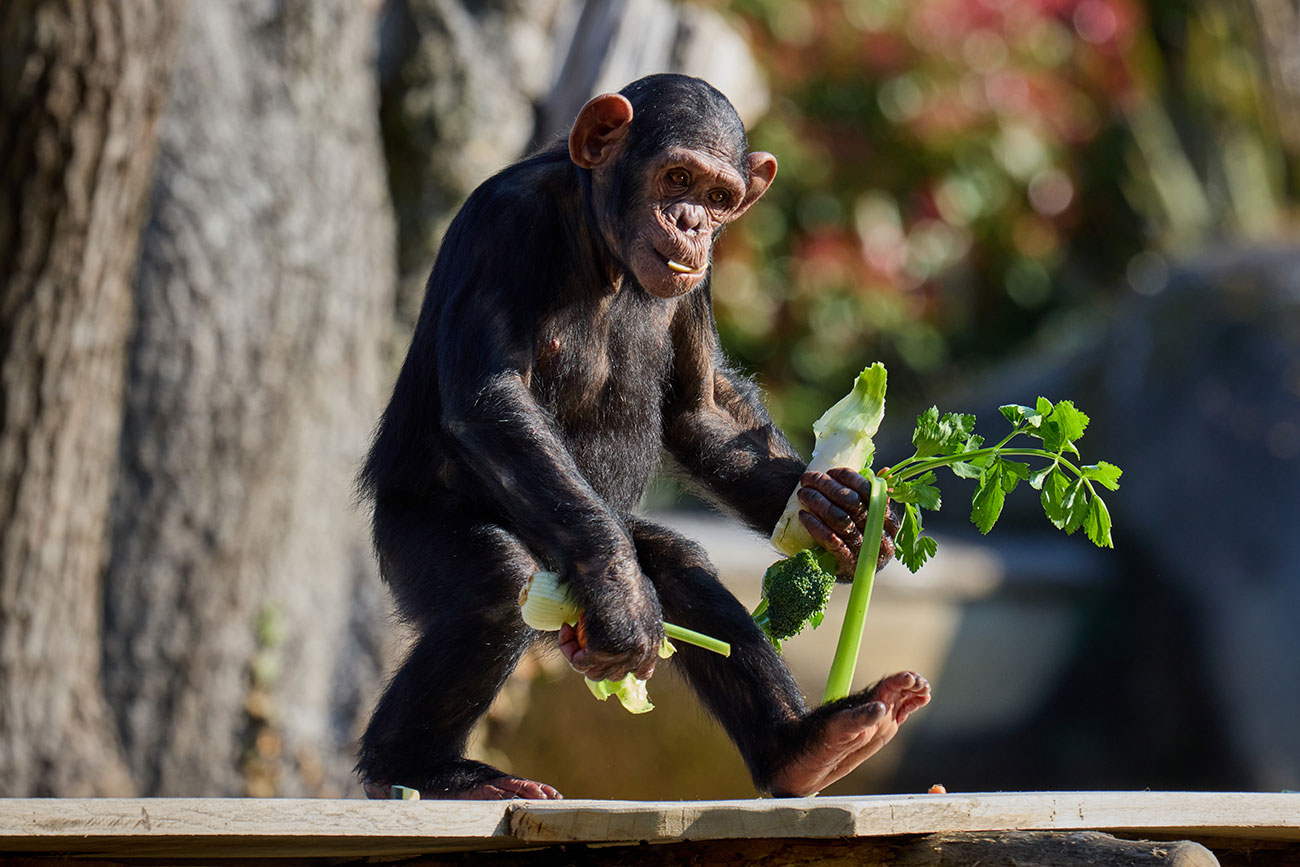
This dietary transition is not limited to our great apes. It is now complete for our lemurs, guenons, mandrills, macaques, and gibbons. It will be implemented for our marmosets, tamarins, and sakis in the coming weeks.