White-faced Saki

White-faced Saki
-
Class
Mammalia -
Order
Primates -
Familly
Pitheciidae
-
 33-38 cm
 -
 1.4-2 kg
 -
 138-152 days
 -
 1
1 -
 15 years (20-25 years in zoos)
-
Diet
seeds, fruits, leaves, insects -
Habitat
tropical forest -
Range
northern Brazil, Venezuela, French Guiana, Guyana and Suriname -
 This species is part of a European Breeding Program
-
Population in the wild
En diminution -
IUCN REDLIST status

White-faced sakis live in small family groups, usually consisting of a pair and their offspring. Larger groups, sometimes numbering up to a dozen individuals and including more than one breeding female, have been observed in the wild.
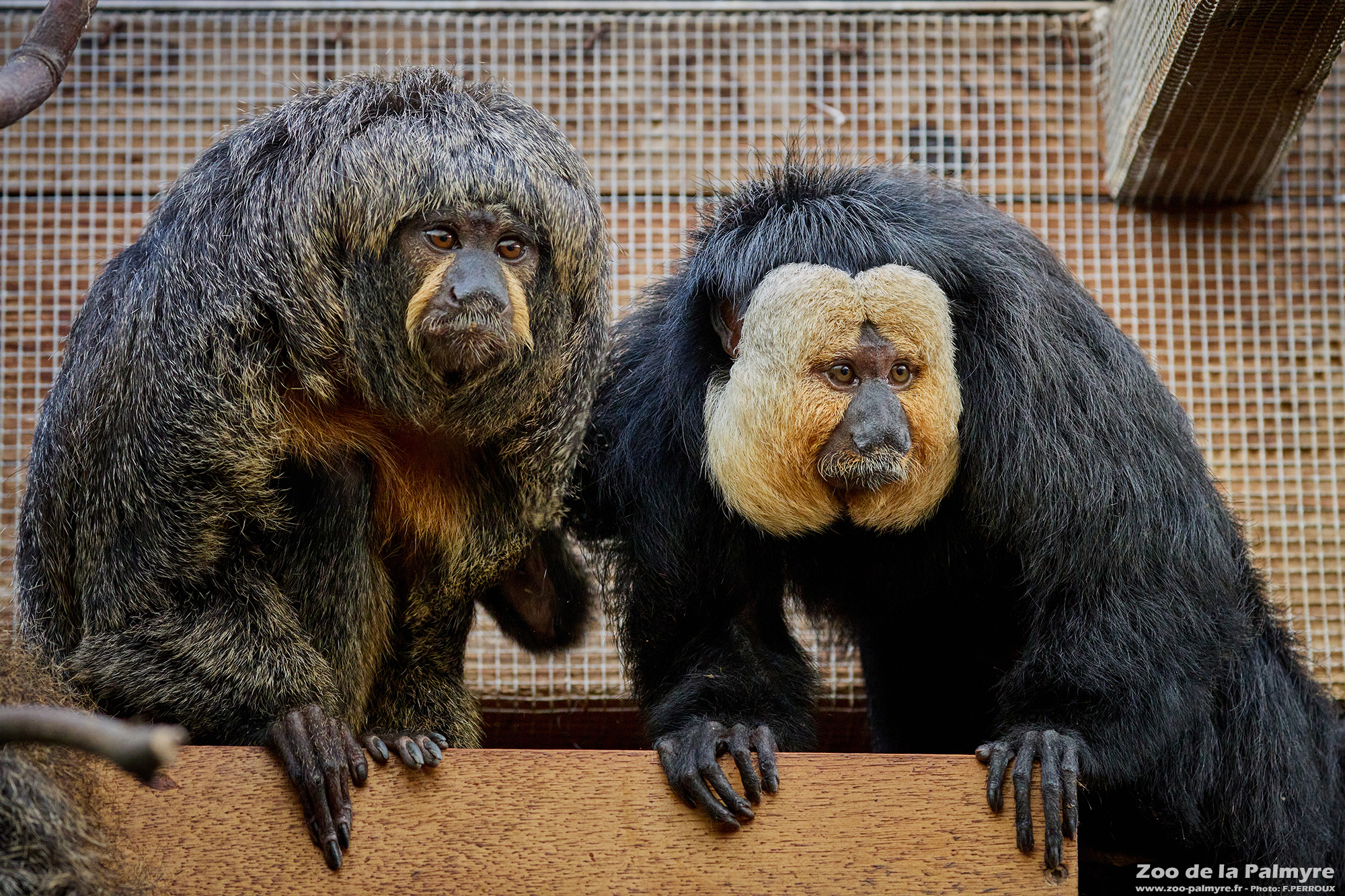
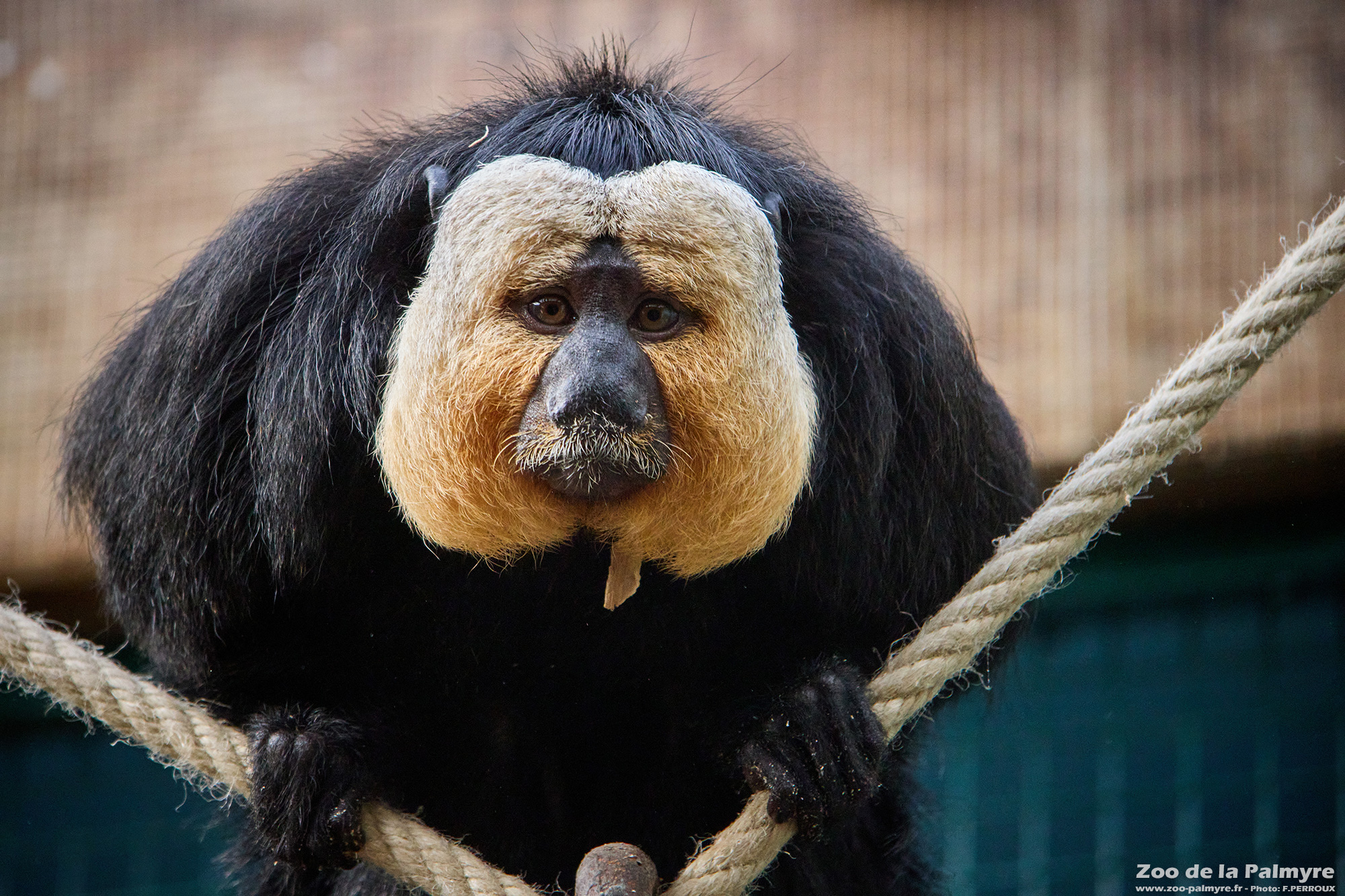
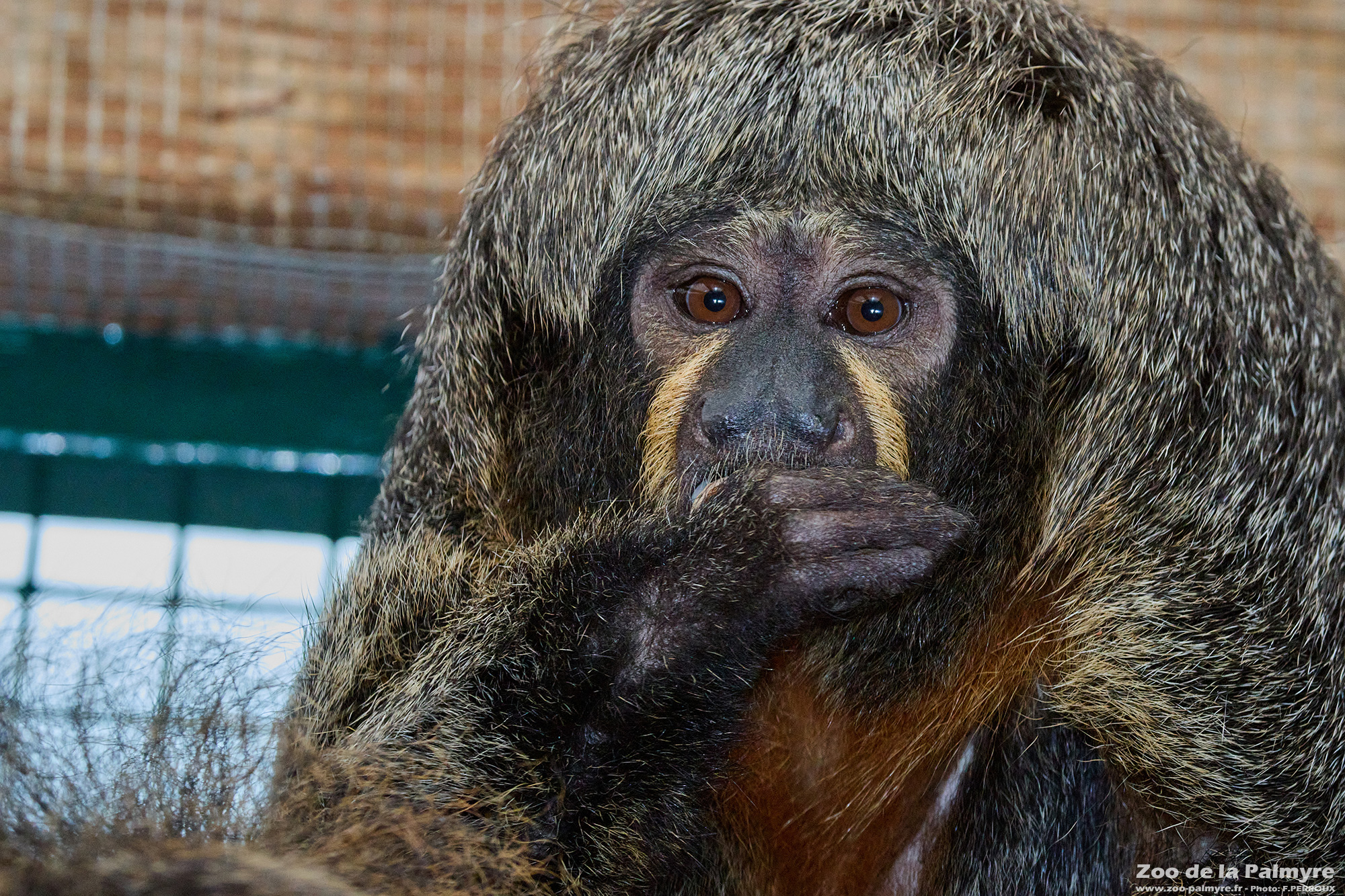
The species is characterized by marked sexual dimorphism: the male has black fur, a reddish-white facial disc, and weighs about 500 g more than the female, who has grayish mottled pelage and bright orange chest, as well as orange malar lines. Juveniles have the same fur as their mother until they are about two months old, after which the male's coat begins to darken.
The White-faced Saki's locomotion differs from that of other members of the Pitheciidae family: the species can cling to vertical trunks and then leap tfrom one trunk to another in a upright position, using their powerful hindlimbs for propulsion and to absord the impact. It uses its long, bushy tail for balance as it moves from branch to branch.
The range of white-faced sakis extends across northern South America (Venezuela, the Guianas, Suriname) and northern Brazil. Their large geographic distribution could be explained by the species' ability to exploit different types of forests. Indeed it is found in both mature forests and secondary or « white-water » and « black-water » flooded forests refering to different types of rivers in the Amazon based on their chemistry, sediments, and color.
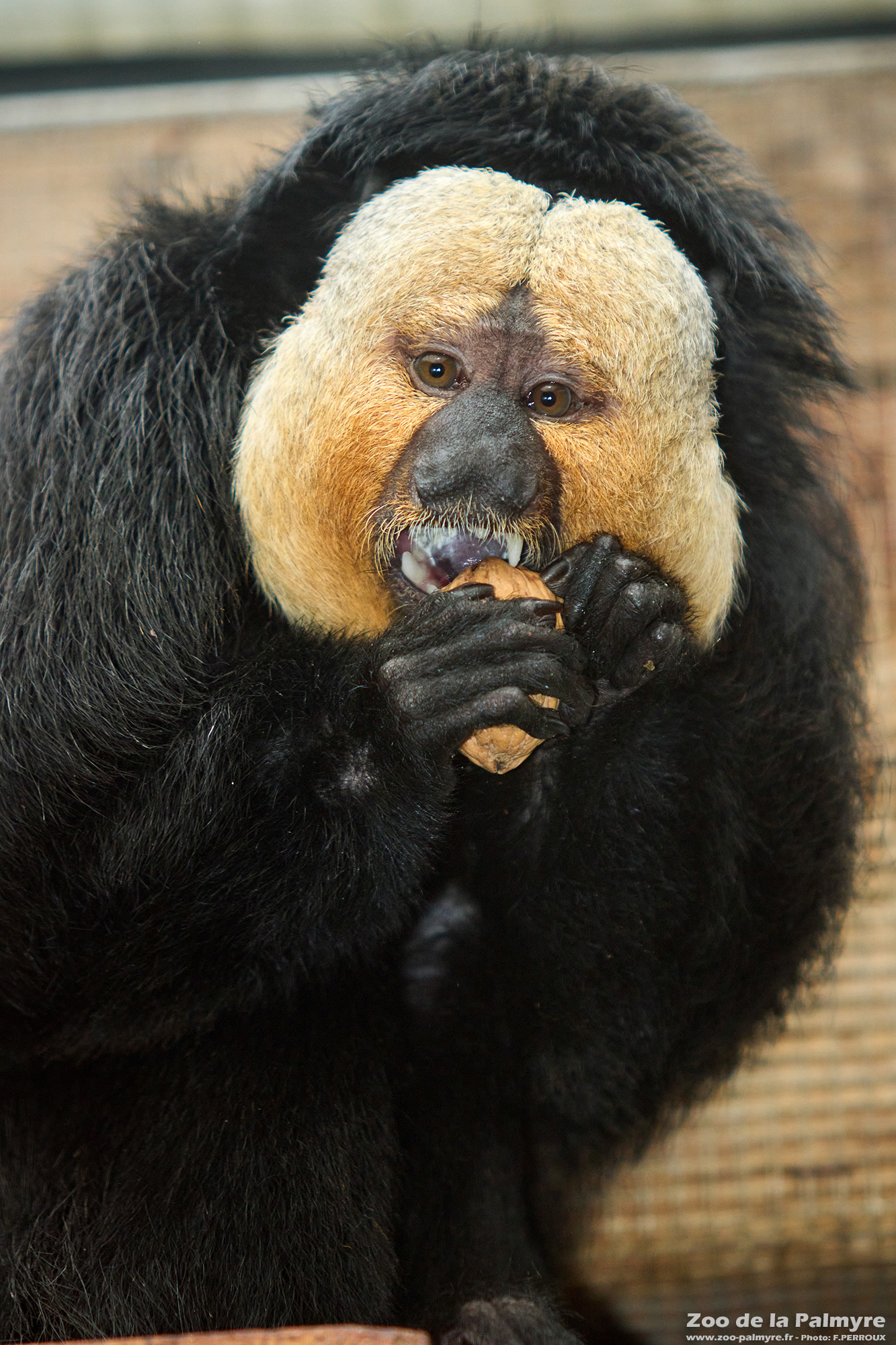
White-faced sakis feed primarily on seeds, nuts, and unripe fruit. They possess several morphological specializations in their skull, jaw, and teeth that are adapted for seed extraction and mastication. They use their powerful canines to crack the shells of the toughest fruits and their long lower incisors to extract the seeds from the fruits.
They spend most of their day foraging, primarily in the lower layers of the canopy. During the dry season, when fruit is scarcer, they consume more leaves and flowers, as well as insects.
White-faced sakis reach sexual maturity at around 3 to 4 years of age. The female typically gives birth to a single offspring after a gestation period of approximately 4.5 to 5 months. For the first month after birth, the infant clings tightly to its mother's thigh. Then it progressively shifts to a more dorsal position. After four to five months, the young sakis gradually spend more time off their mother, gaining confidence and moving more independently.
The white-faced sakis use a wide variety of vocalizations to communicate but can also be very quiet when moving into the forest. Males also use scent marking to delimitate their territory or to court females during the breeding season: they have special glands on their throat and chest that they rub on trees.
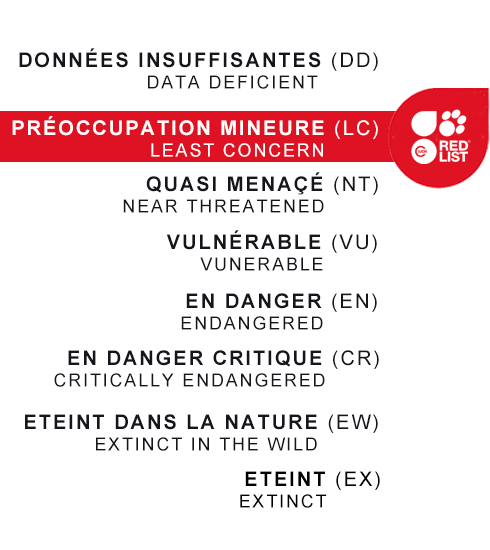
The species is classified as Least Concern on the IUCN Red List as its habitat remains largely intact and little impacted by human pressures throughout its range.
And in the wild