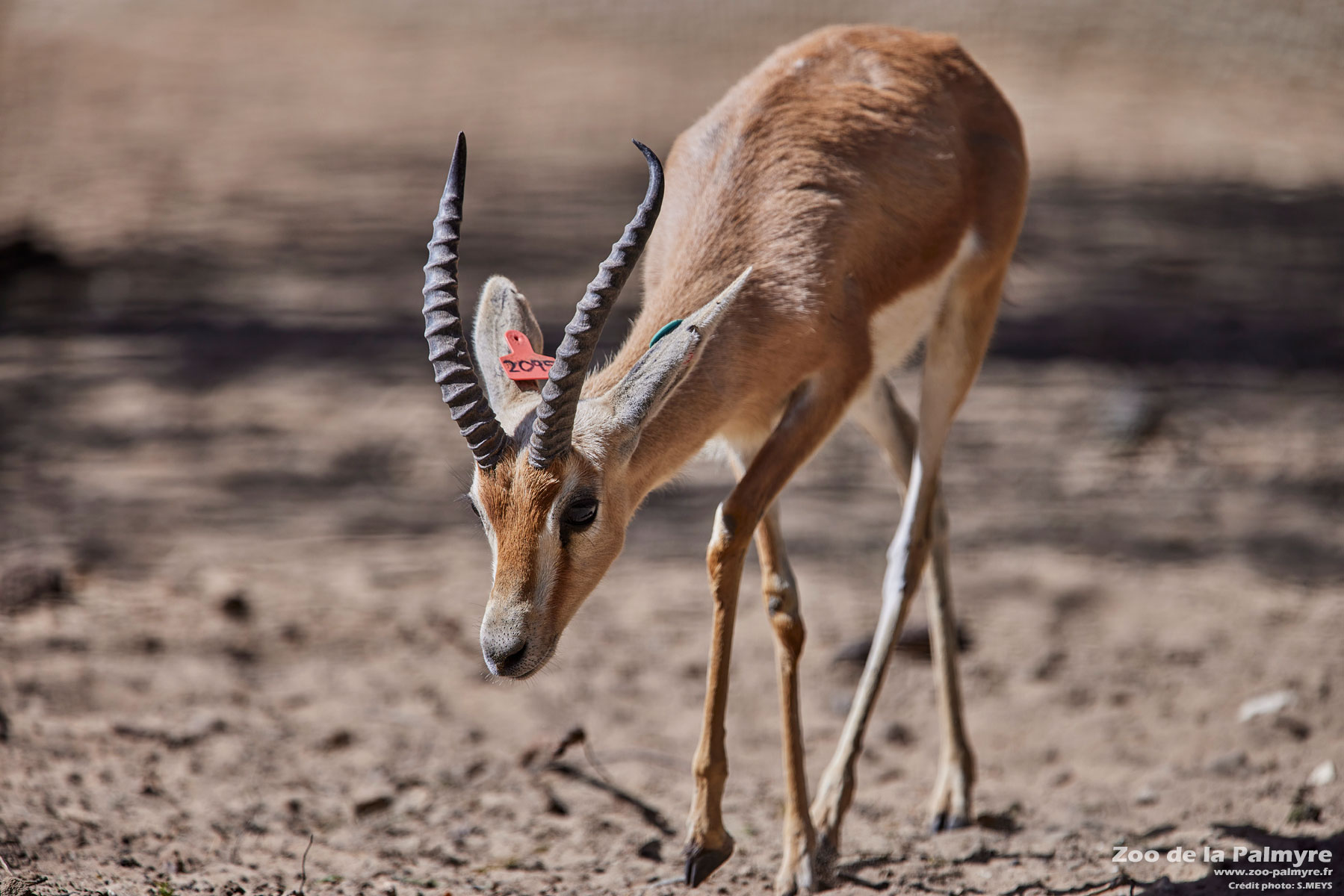
Dorcas gazelle

Dorcas gazelle
-
Class
Mammalia -
Order
Artiodactyla -
Familly
Bovidae
-
 55-65 cm
 -
 15-20 kg
 -
 6 months
 -
 1 calf
 -
 up to 15 years in zoos
-
Diet
leaves, flowers, pods of acacia -
Habitat
arid and semi-arid zones -
Range
Northern Africa -
 This species is part of a European Breeding Program
-
Population in the wild
En diminution -
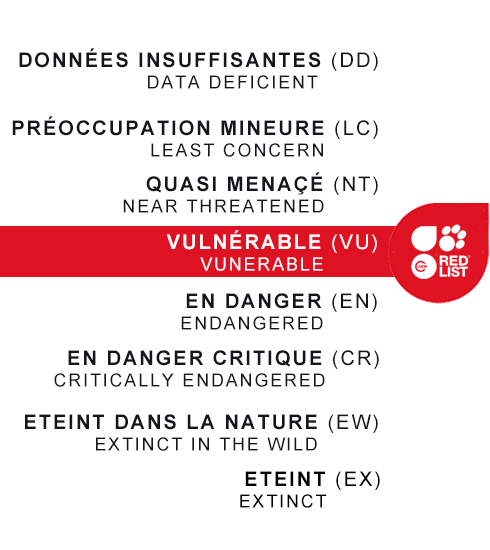
IUCN REDLIST status

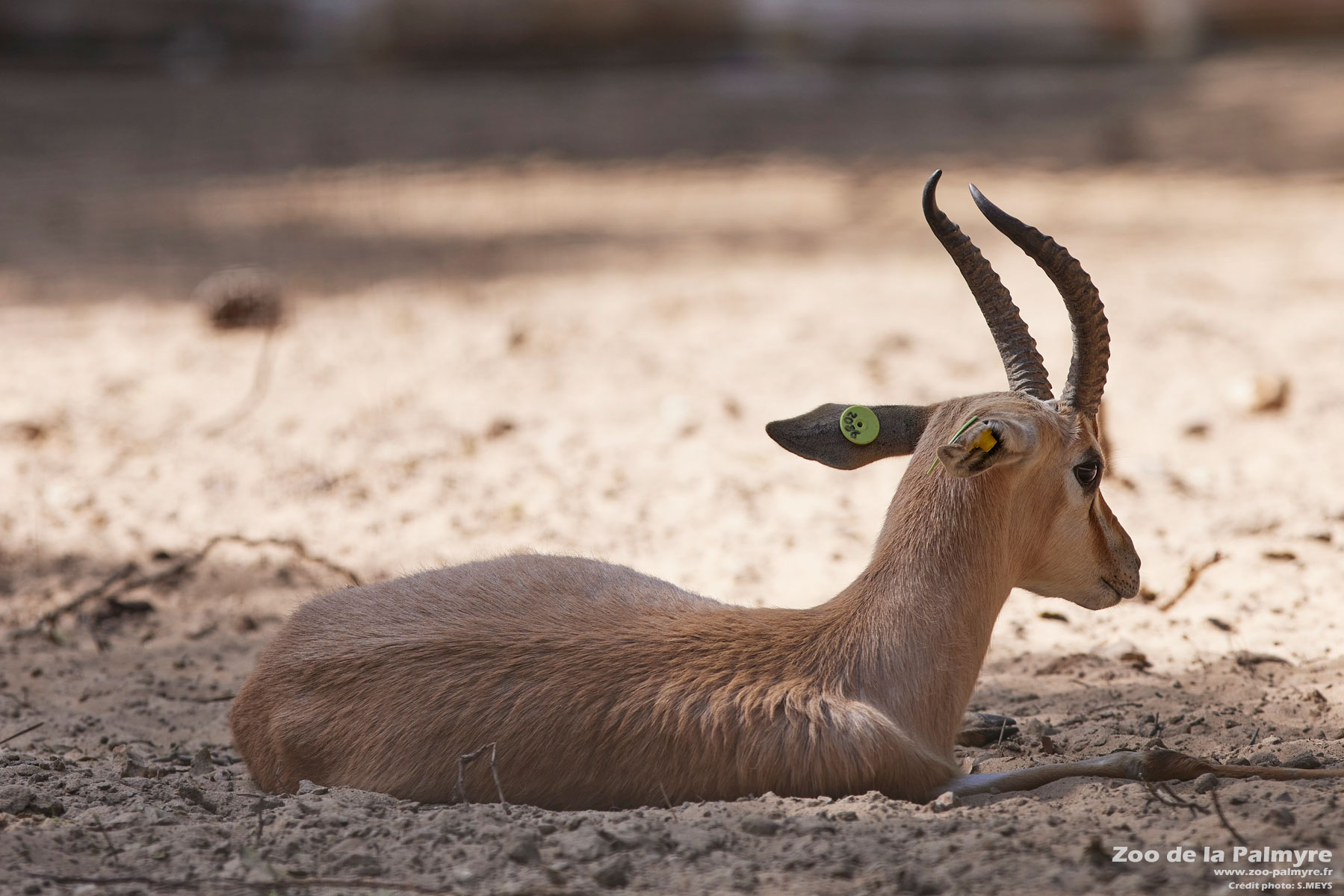
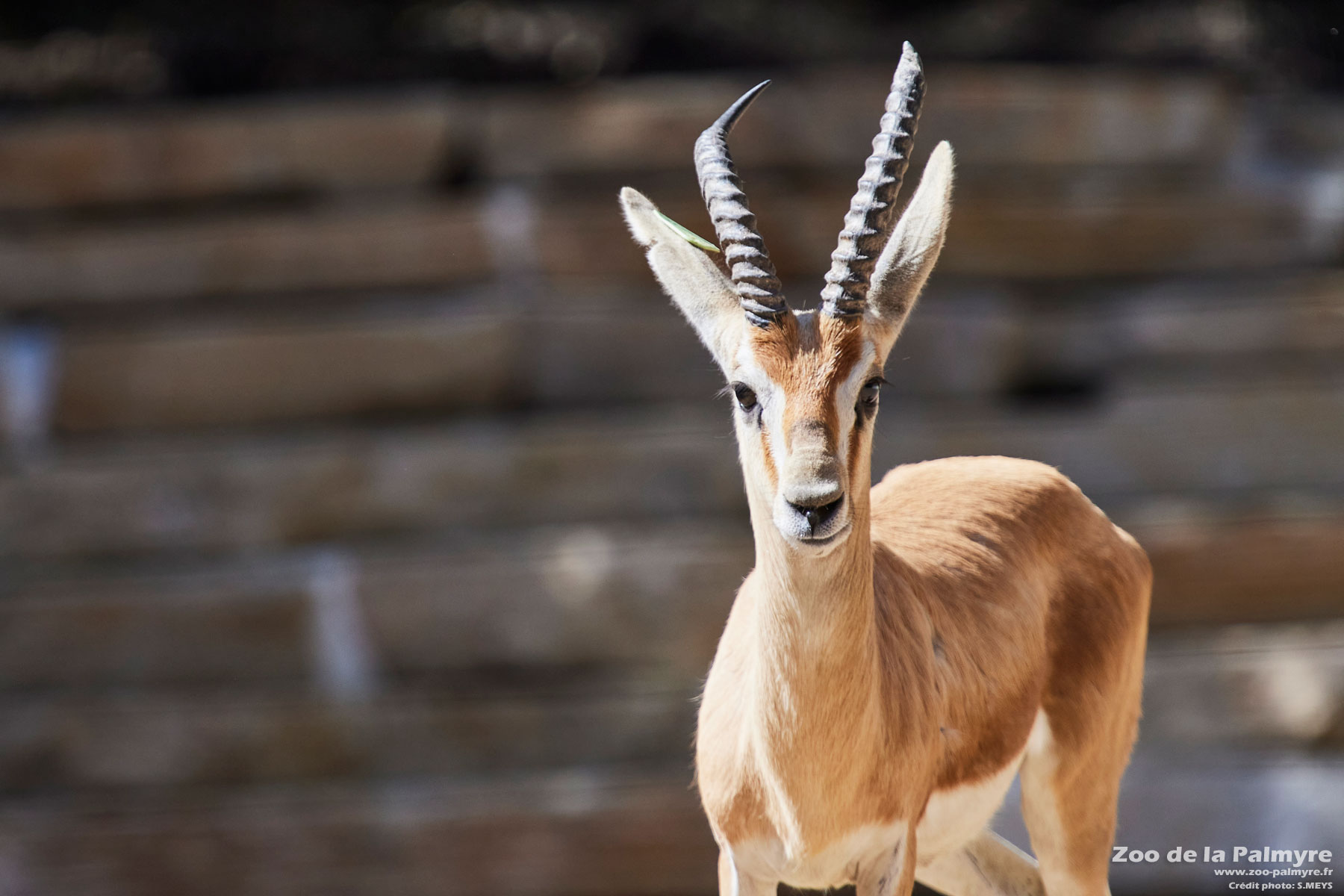
Perfectly adapted to the arid environments of North Africa, the Dorcas Gazelle is the smallest of all gazelle species.
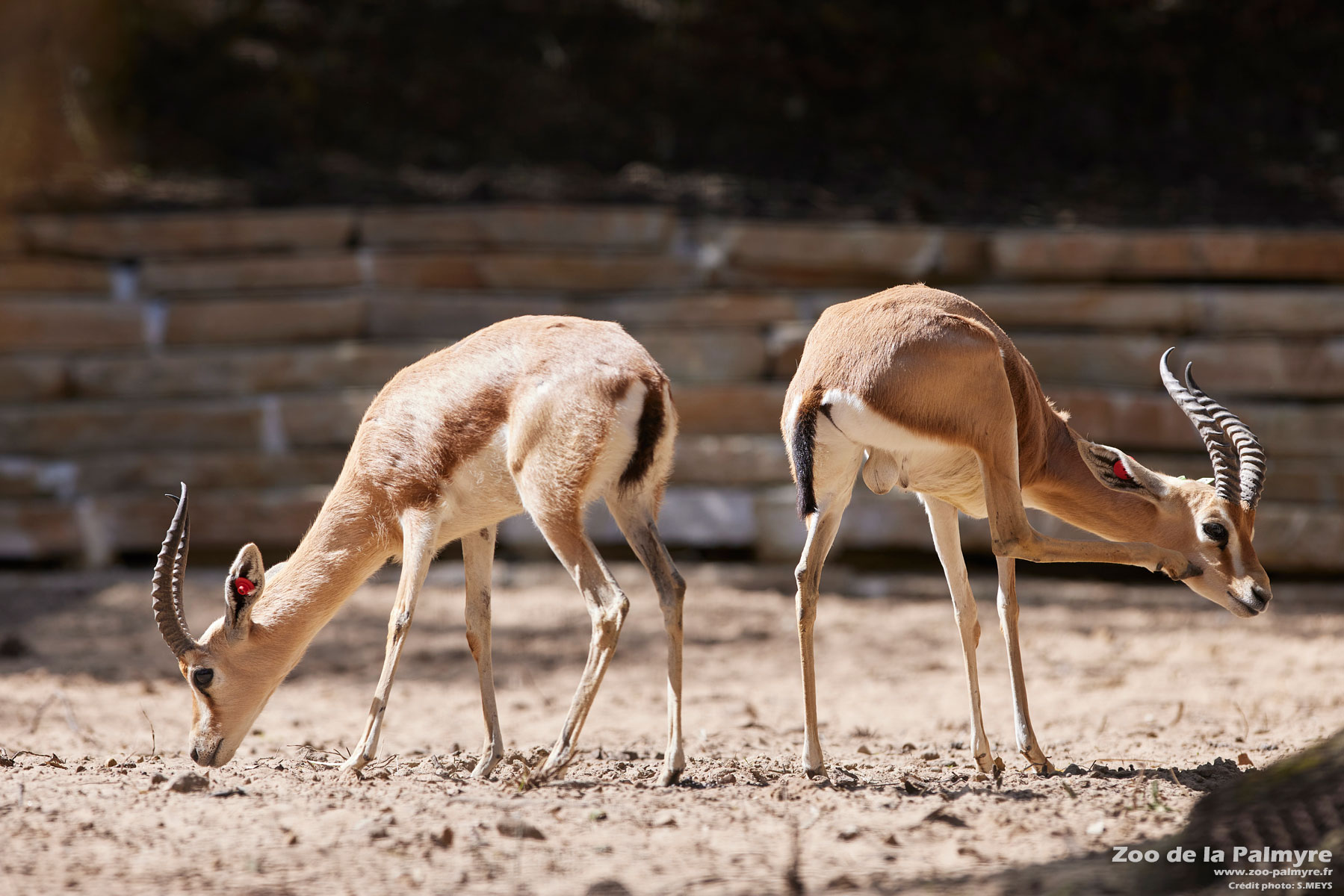
Thanks to remarkable adaptations, it can survive without drinking, deriving the moisture it needs from the plants it consumes. It feeds on the leaves, flowers, and pods of numerous acacia species. These plants are particularly rich in water, thereby minimizing the gazelle's need for hydration. This strategy is essential for its survival in habitats where water sources are scarce. It is capable of standing on its hind legs to reach the highest leaves, as well as digging up roots and bulbs after rainfall.
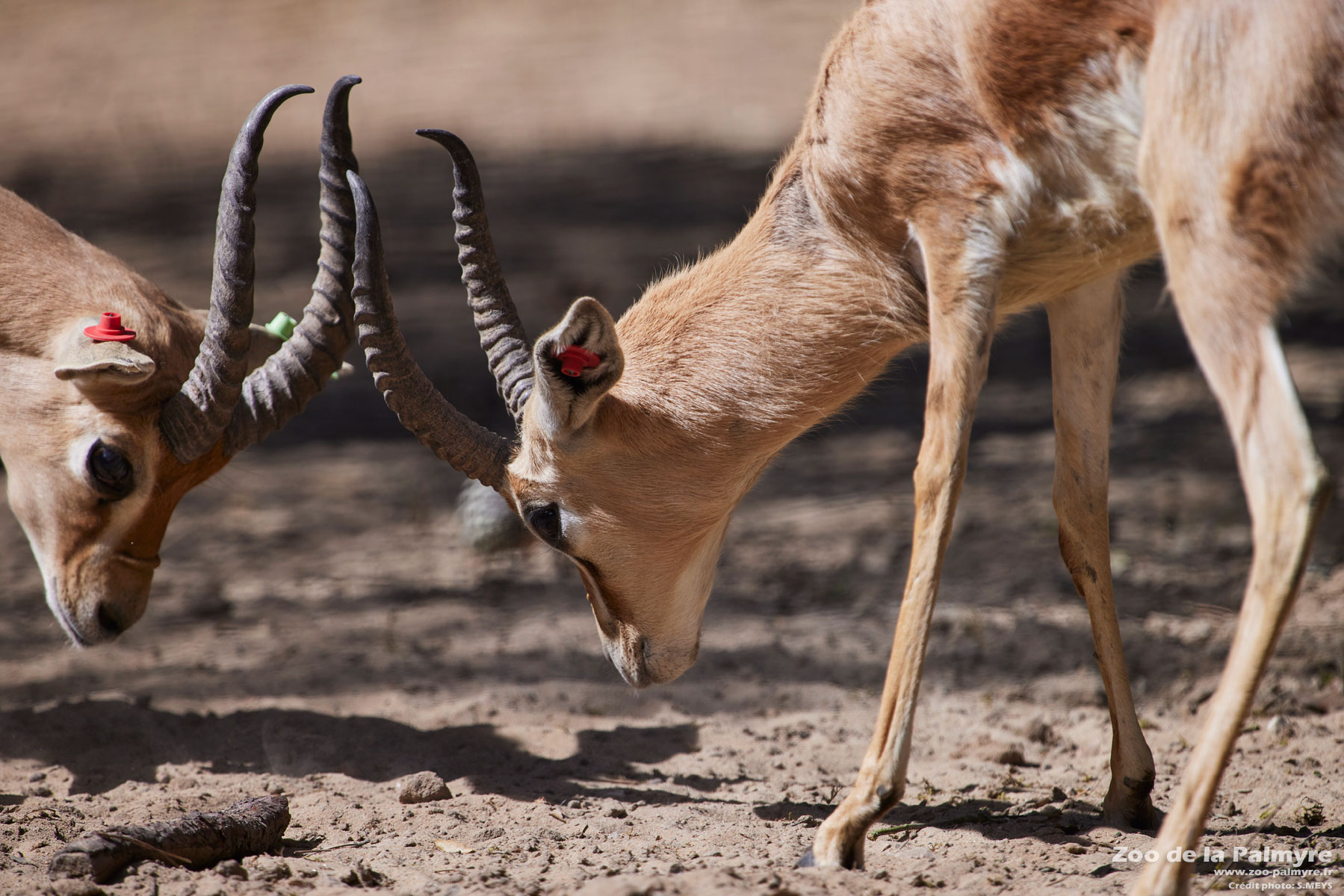
The species lives in small groups consisting of one or two males, several females, and their offspring. When conditions are extreme, they live in pairs. During the breeding season, males defend a territory, which they mark using their droppings.
The activity patterns of dorcas gazelles vary depending on climatic conditions. In extreme heat, they are primarily active at dawn and dusk. When temperatures are milder, they may remain active throughout the day. In areas subject to high levels of human pressure, they tend to be active at night.
The female gives birth to a single young after a gestation period of six months. Kept hidden and apart from the group during the first few days of its life, the fawn lies curled up on the ground while its mother grazes close by. It is weaned after three months.
Once widely distributed throughout the entire Sahelo-Saharan region—extending as far as the Sinai Desert and the Horn of Africa—the species has seen its populations decline in almost all range states. Classified as Vulnerable on the IUCN Red List, it is threatened by hunting—carried out using motorcycles or quads in desert regions—and by habitat degradation resulting from overgrazing and agricultural encroachment. Its global population is estimated at approximately 100,000 individuals, the majority of whom survive within the Ouadi Rimé–Ouadi Achim Wildlife Reserve in Chad (50,000 to 60,000), as well as in Niger.
Despite these pressures, the dorcas gazelle remains a symbol of grace and resilience in some of the most hostile environments on the planet.
And in the wild