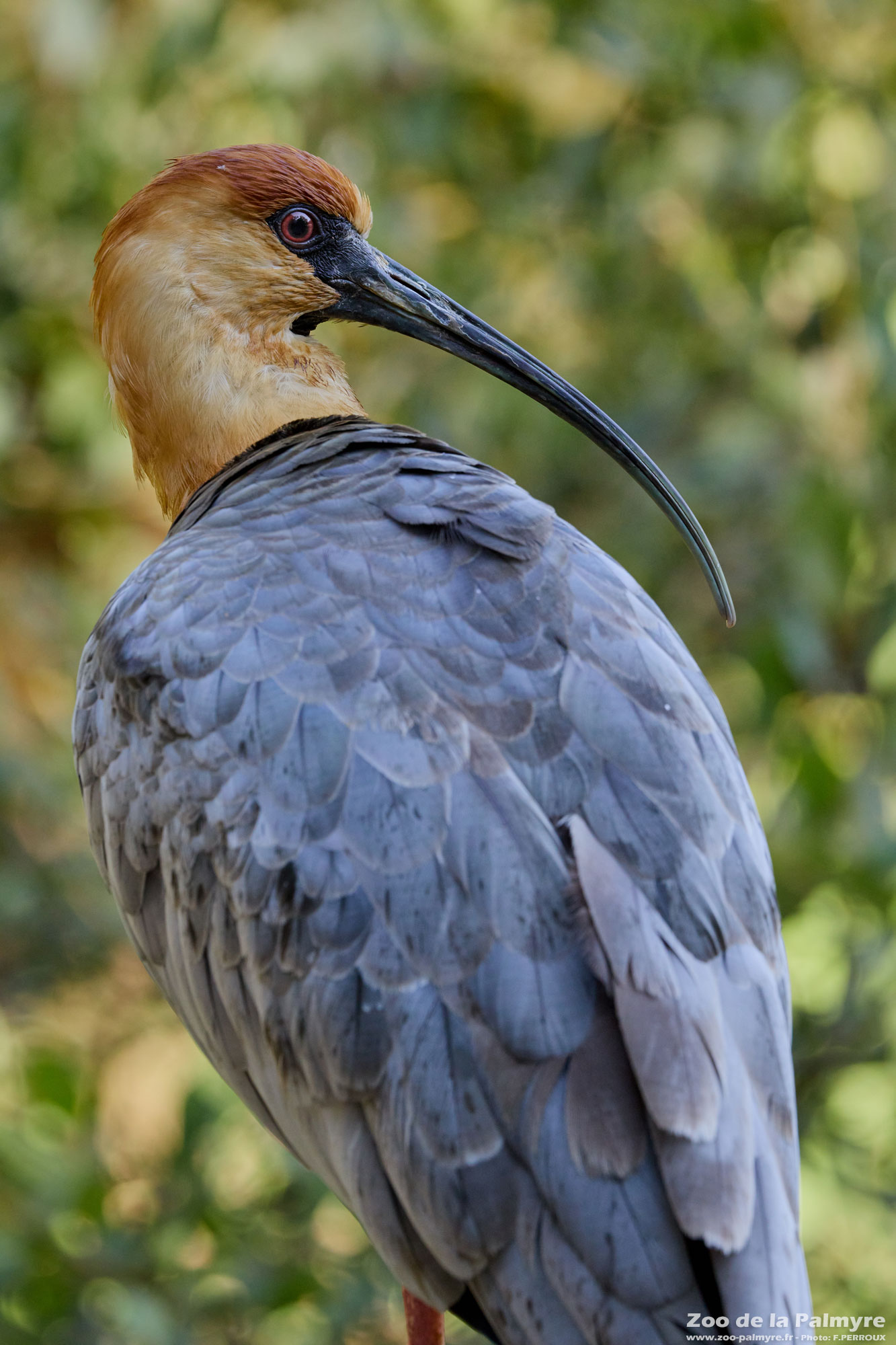
Black-faced Ibis

Black-faced Ibis
-
Class
Aves -
Order
Pelecaniformes -
Familly
Threskiornithidae
-
 71-76 cm
 -
 1.1-1.4 kg
 -
 28 days
 -
 2-3
2-3 -
 up to 25 years
-
Diet
carnivorous (insects, worms, frogs, salamanders) -
Habitat
meadows, marshlands and wetlands -
Range
Argentina, Chile, Peru -
Population in the wild
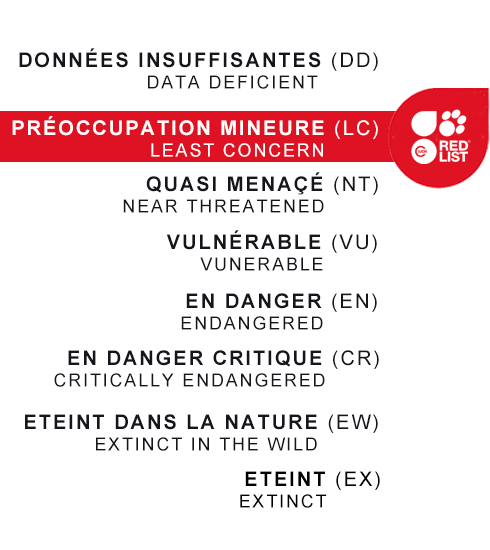
Stable -
IUCN REDLIST status

The Black-faced Ibis has a vast range extending from southern Argentina to southern and central Chile. An isolated population is also found in western Peru.
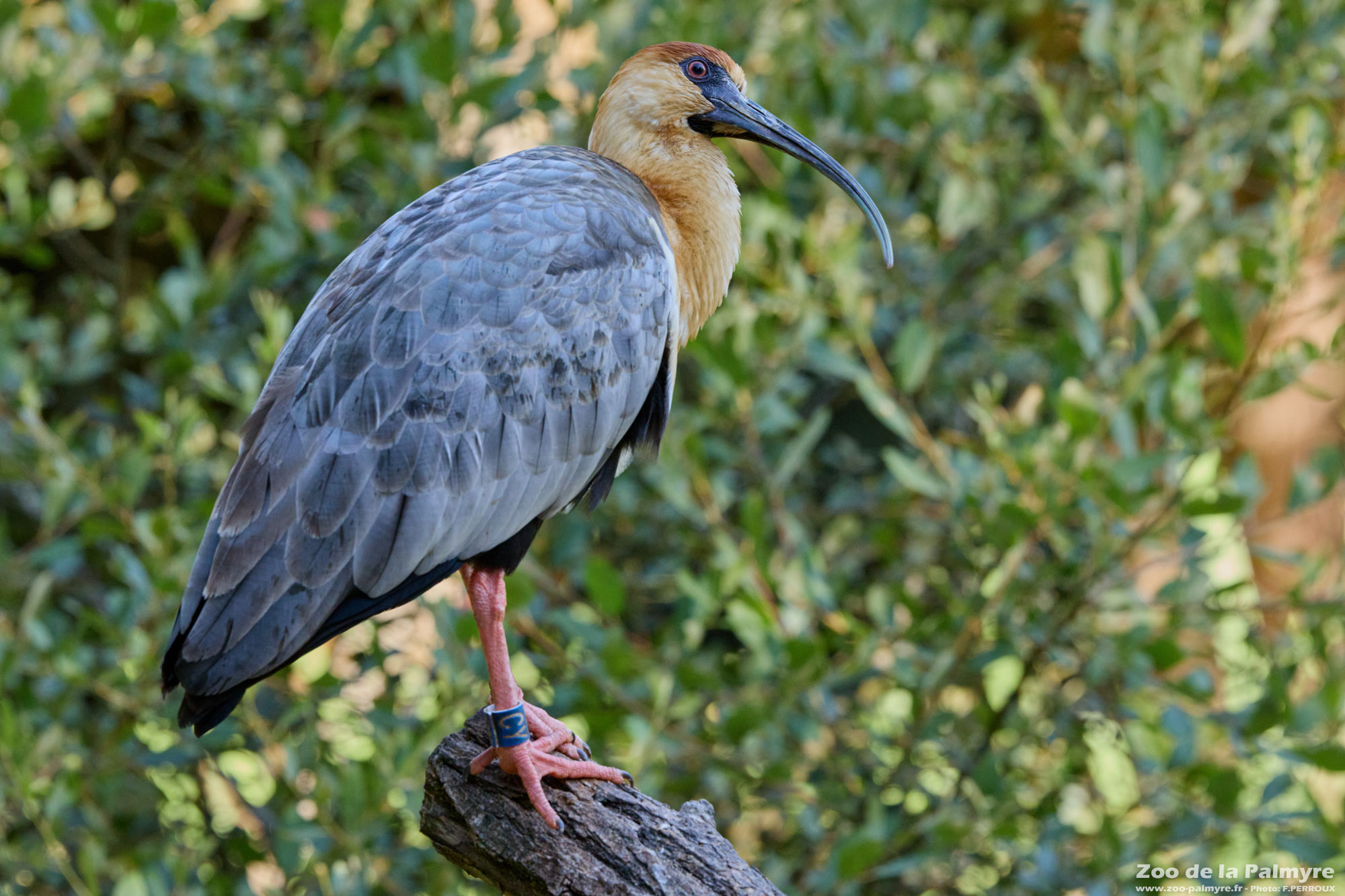
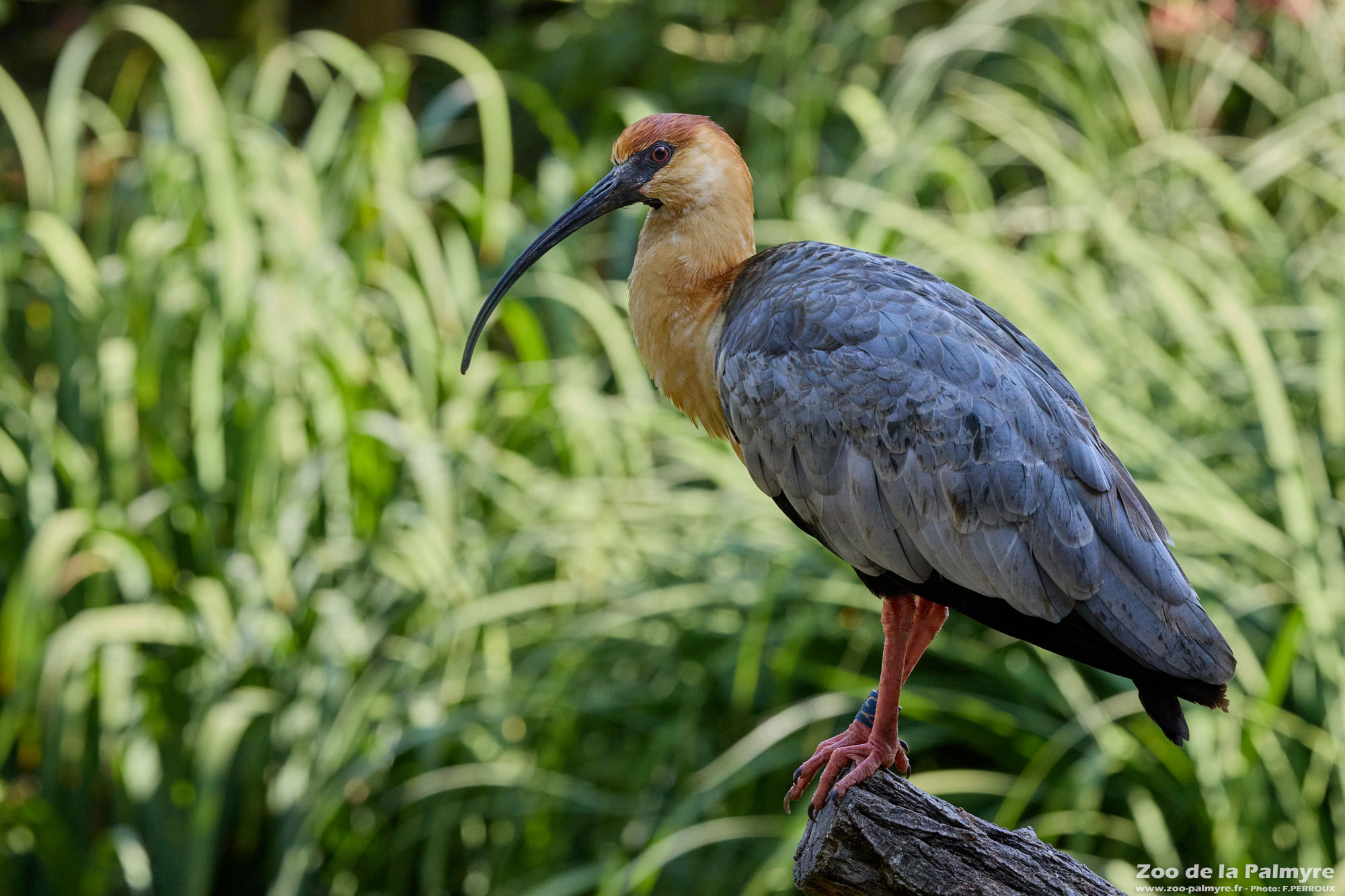
There is significant color variation within the Threskiornithidae family, but the male and the female generally have identical plumage.
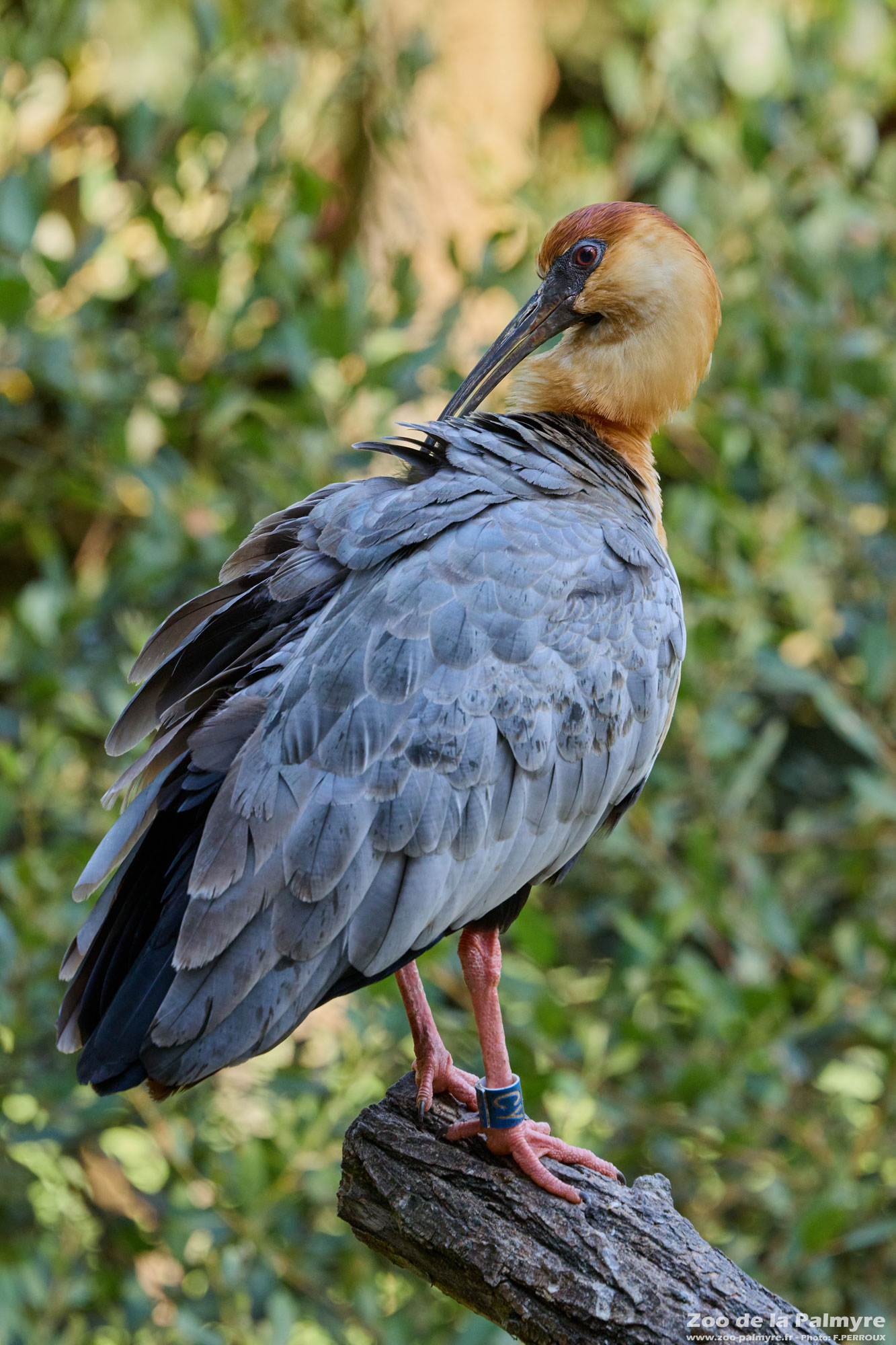
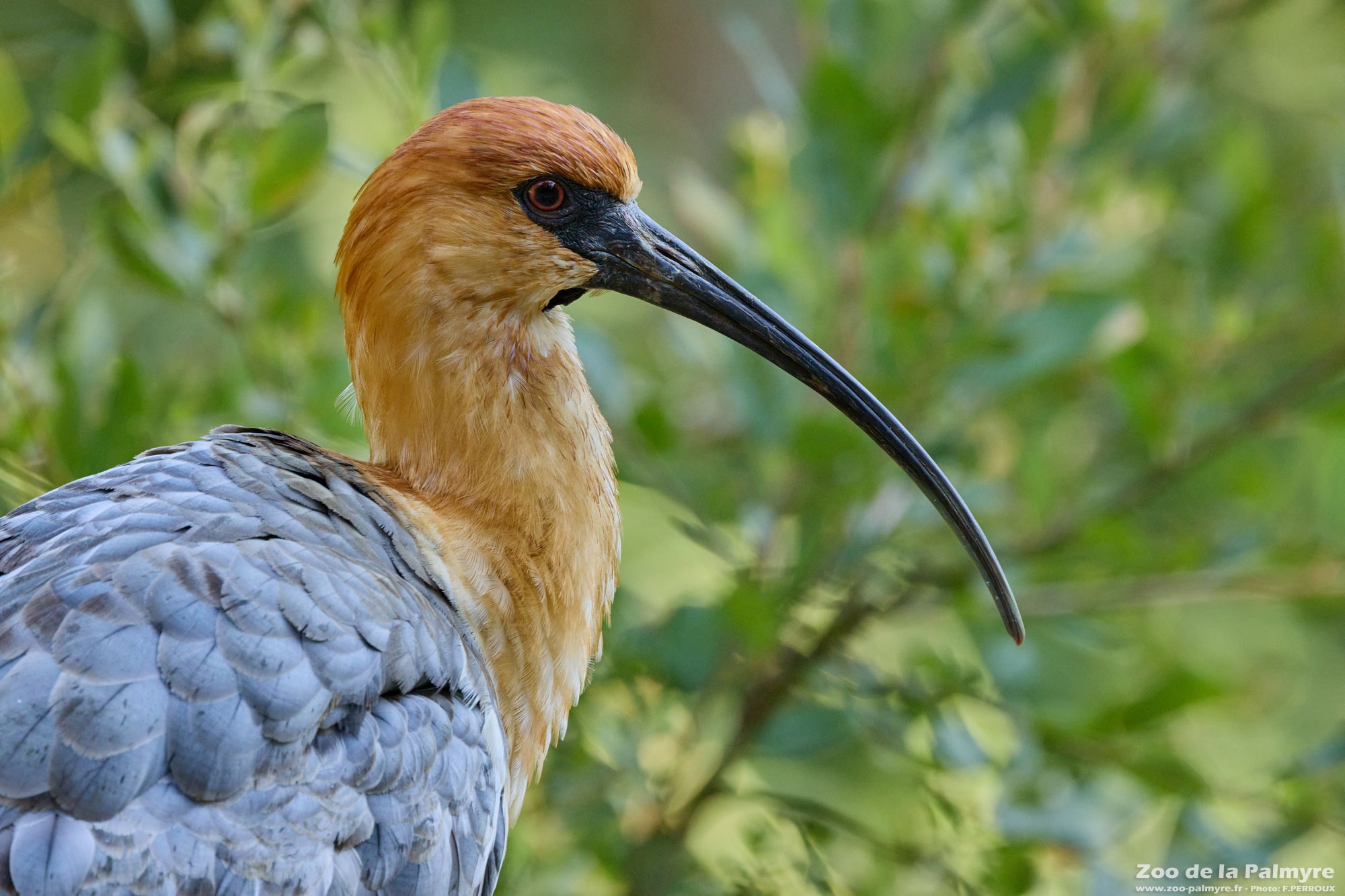
The ibis's long, slender, decurved bill is perfectly adapted for probing in water and mud in search of prey. The nostrils are located at the base of the bill, allowing the bird to breathe while its bill is immersed. Ibises use different feeding methods depending on the season or habitat they frequent at a given time: probing in water or mud in wet environments, and probing in cracks in the ground in dry habitats. Their large size requires them to ingest large quantities of food to produce sufficient energy, especially during the breeding season.
Black-faced ibises are monogamous. The male establishes a small territory and defends it against rivals by intimidating them with wing flapping, head stretching, and pursuit flights. It helps the female build the nest, which is made of branches and lined with grasses or rush stems. The female lays two to three eggs between September and December (which corresponds to Spring in the Southern Hemisphere). The chicks hatch after about 28 days of incubation and are covered in grey down with a paler head and belly. Adults feed them by regurgitation during 35-40 days before they leave the nest.
The ibis was worshipped by the Egyptians, who associated it with Thoth, the god of wisdom and writing. For them, the bird searching for food in the soil with its long bill suggested the movement of the reed during the act of writing. The Egyptians depicted ibises in countless frescoes and also regularly mummified them. But many ibis species have also been persecuted, hunted for their meat, their feathers, or because of conflicts with farmers. This is particularly true for the Northern Bald Ibis, which has disappeared from Europe, and the Japanese Ibis, now classified as Endangered, whose populations have been severely impacted by hunting.
And in the wild