Birth of a giraffe

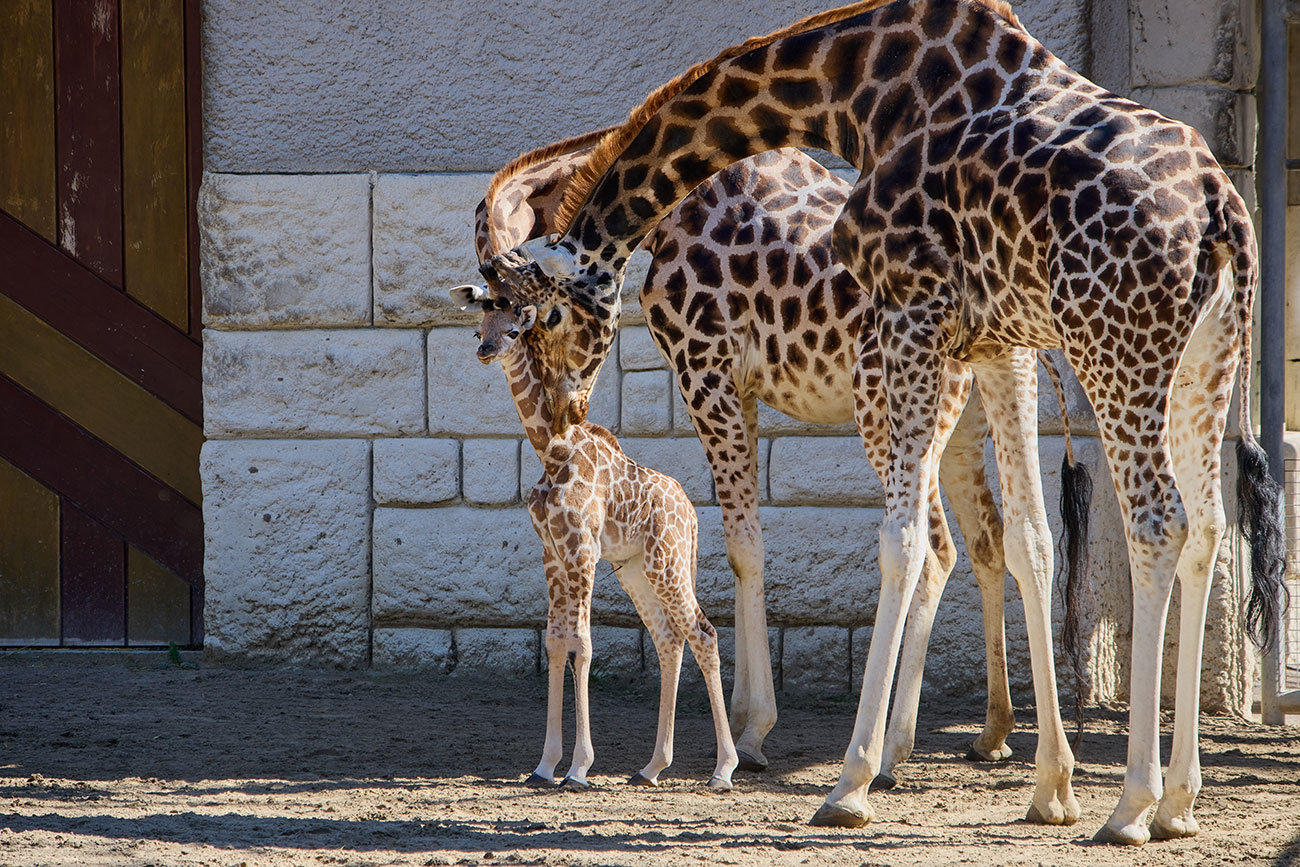
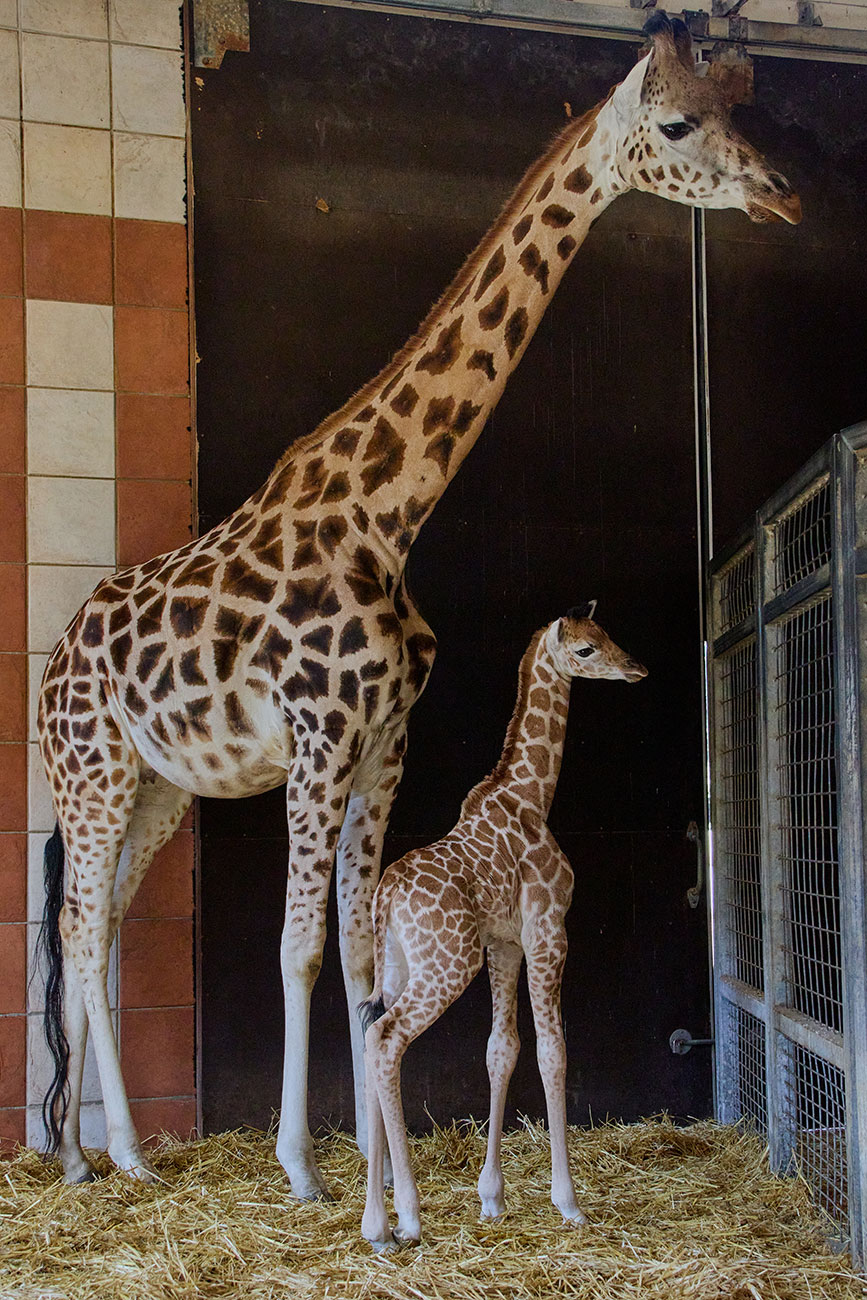
On Thursday, March 12th, our 6-year-old female giraffe, Riva, gave birth to a calf. Born after a gestation period of approximately 15 months, the calf, a female, is doing well and has been named Justine.
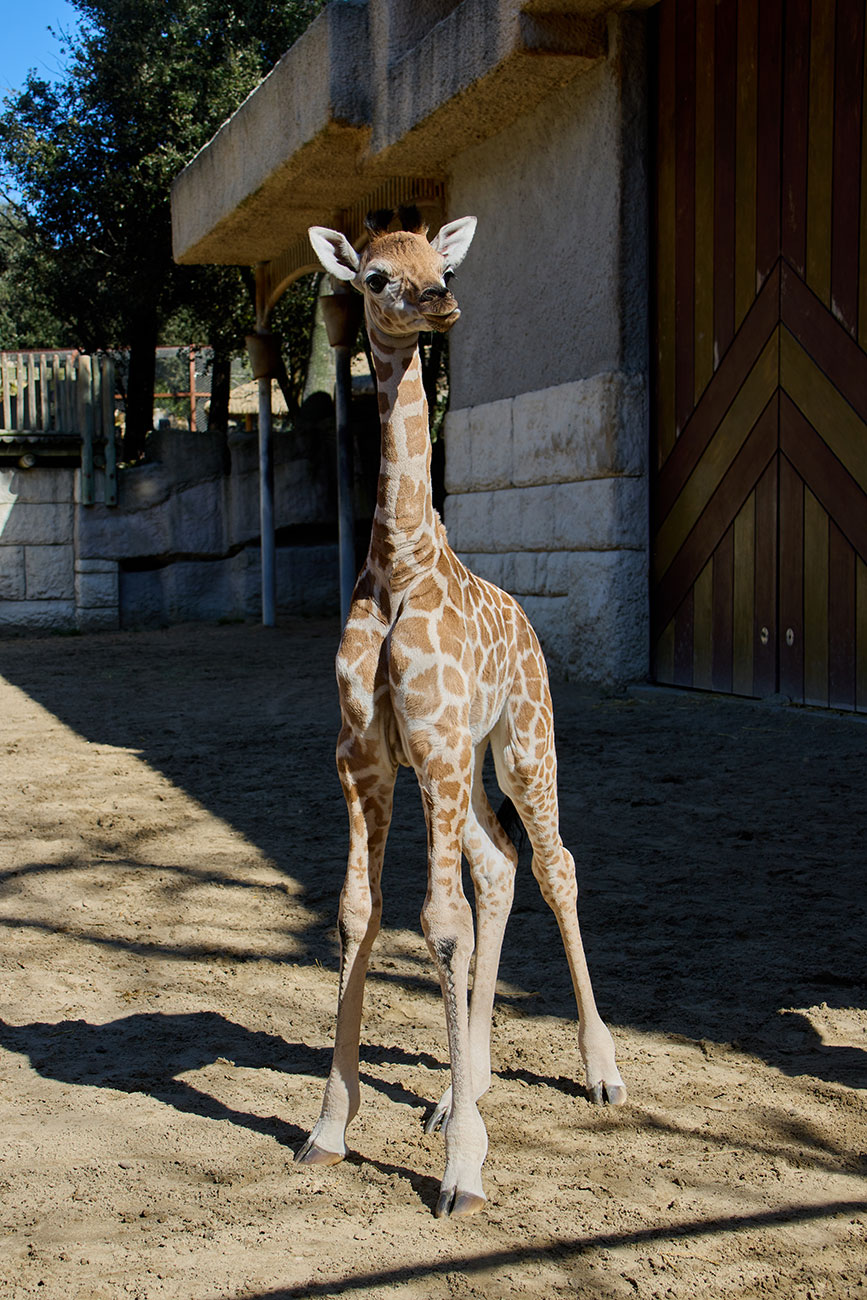
The birth took place discreetly, in the early morning hours. It occurred when the animal care team was not present, and Justine was discovered early the next morning by the keeper on duty when he arrived at the building. She was already standing and was quickly observed suckling. Justine is Riva's second calf; she previously gave birth to a male, Gustave, in 2024, who has since moved to another French zoo. This is the 29th giraffe birth since the species' arrival at the zoo in the 1970s.
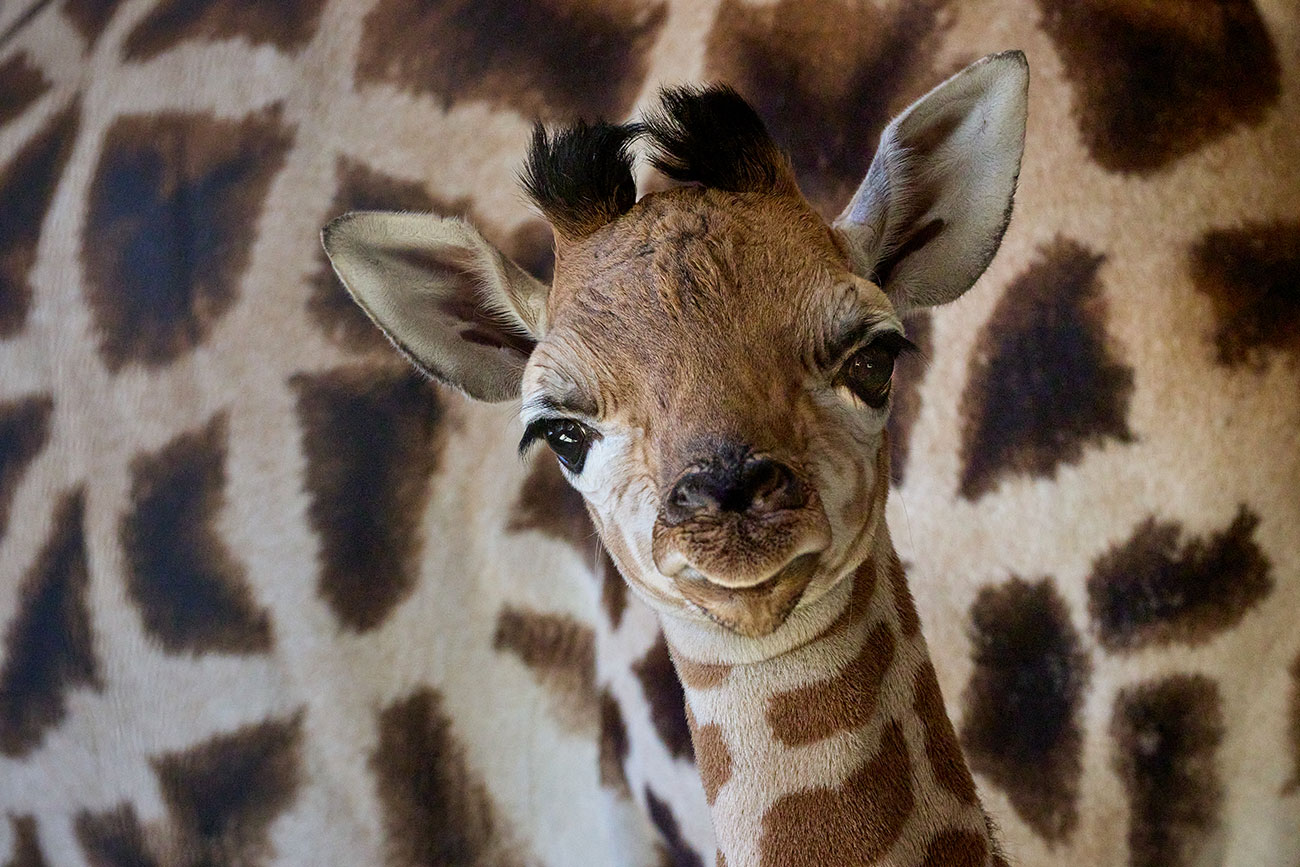
Thanks to its mother's milk, which is particularly rich in fats and proteins, the calf grows about 20 cm during its first month. By six months, it has already grown to a meter, and it almost doubles in height by the end of the year. It begins to eat solid food around 10-15 days old in zoos (1 month in the wild) and to ruminate around 2 months old. Weaned between 12 and 14 months, young giraffes leave their mothers around 15 to 18 months old and reach sexual maturity between 3 and 4 years old.
A diet adapted to their morphology
In the wild, giraffes feed mainly on acacia leaves, which are rich in calcium and phosphorus, and are essential for their growth. Their long, prehensile tongues allow them to grasp leaves despite the thorns, while their saliva and thick papillae protect their mouths and digestive tracts. At the zoo, our group enjoys a varied and balanced diet: alfalfa distributed several times a day, as well as apples, carrots, cabbage, pellets, bran, and oats.
A threatened species in its natural habitat
Long considered a single species, the giraffe is now divided into four distinct subspecies, each occupying distinct geographic areas, possessing unique characteristics, and facing different threats. This makes their recognition at the species level crucial for ensuring their long-term conservation.
Although some populations are showing encouraging demographic trends, the giraffe remains classified as Vulnerable on the IUCN Red List. It faces numerous threats, including habitat loss, poaching, and the effects of climate change with the increasing frequency and intensity of droughts.
With the return of warmer weather, Justine is enjoying her outdoor enclosure where she can now be seen daily in the company of the adults.